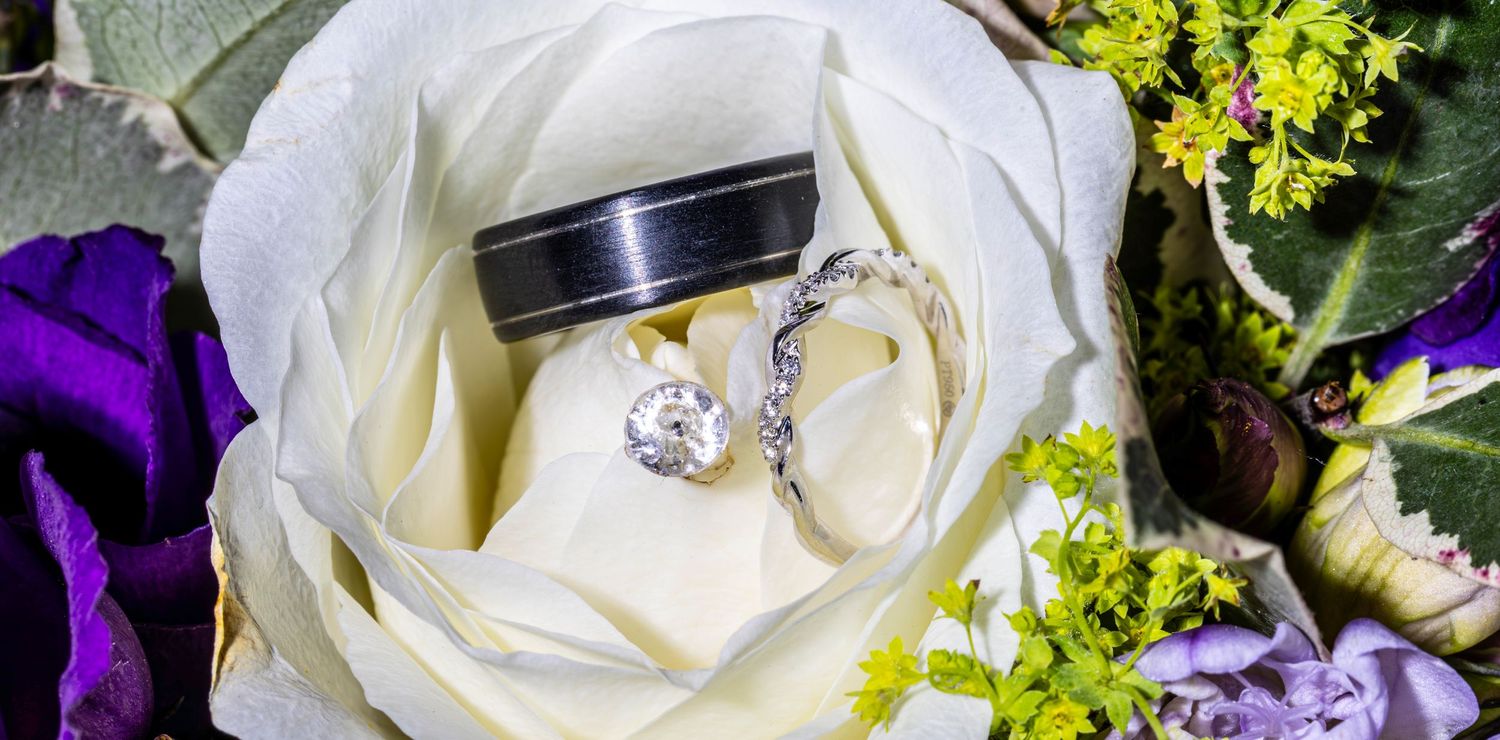
The Rings
The start of a Happy Ever After journey will normally start with a big question and an important ring. But have you ever worried why rings are a big part of the engagement and wedding journey. Engagement rings have always been a representation of love, commitment, and marriage for so long that we barely even give them a second thought now.
The history of the engagement rings dates as far back as ancient Rome, and Diamonds did not feature in those rings until the 1400’s. Back in the Roman days women were given rings made of ivory, flint, bone, copper, gold, or iron. This was meant to signify that they were owned by their husbands. Now this was not exactly romantic, but the tradition did evolve through time and by the 1940’s, the diamond engagement ring had become much more common. Once diamonds became the norm for engagement rings, different cuts were trendy at various times. Engagement rings have changed and evolved tremendously since they first began.
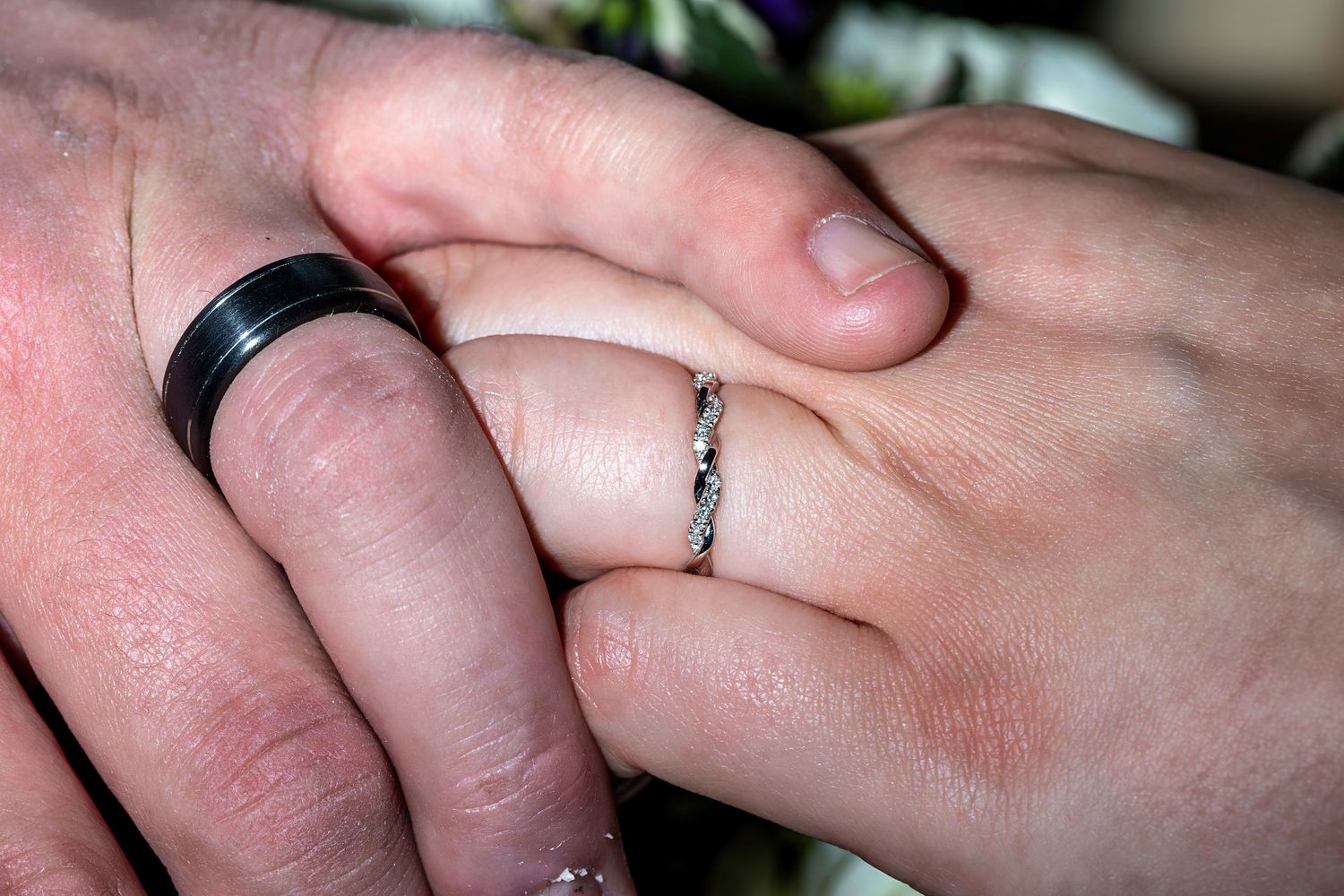
Today, we know that an engagement ring is worn on the ring finger of a woman's left hand. The idea behind this may date back to the time of Ancient Egyptians, who believed that this finger held a "vein of love" that led directly to the heart. It is one tradition that has stood the test of time.
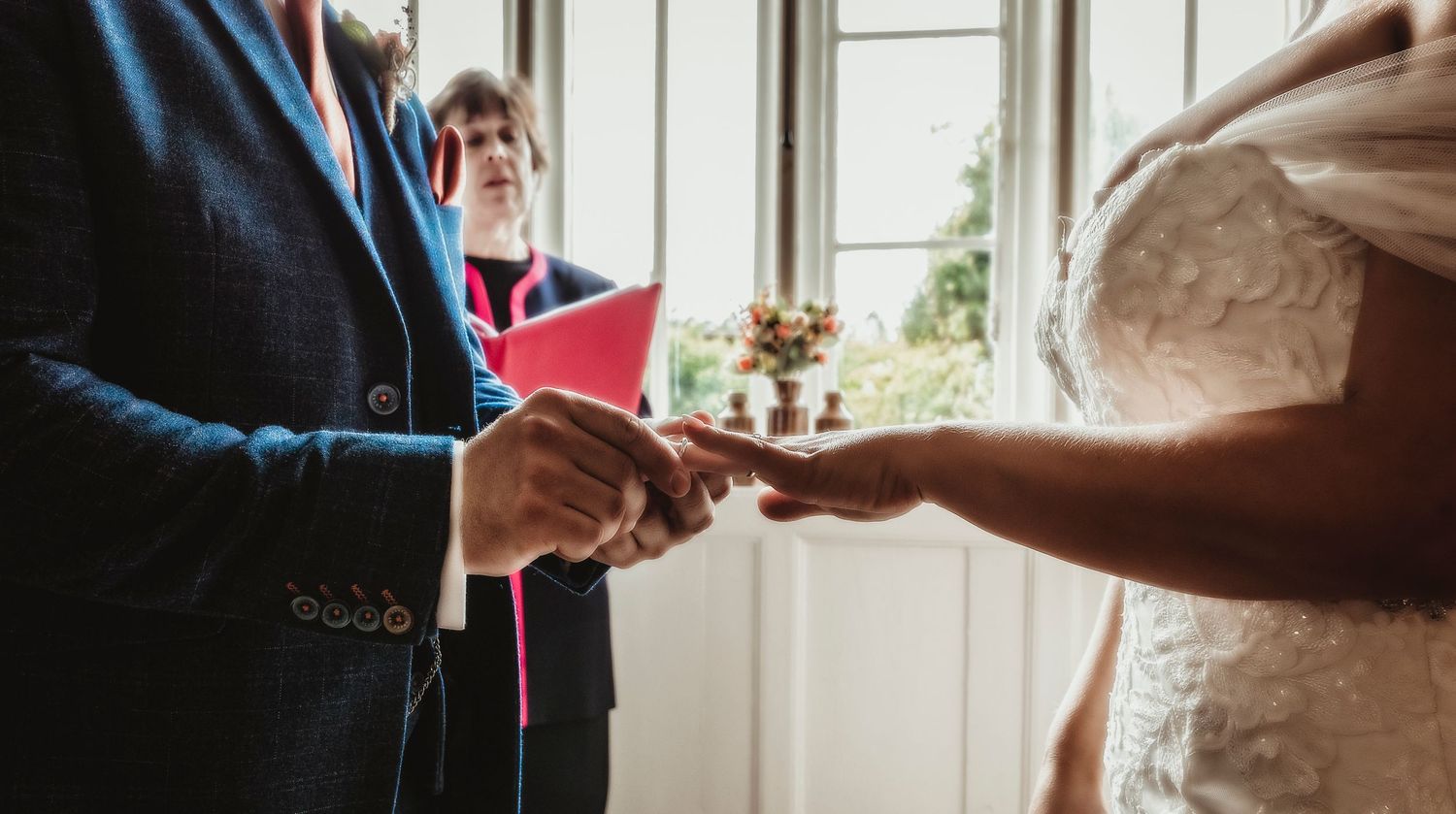
The wedding rings are traditionally swapped during your service, a ring is a circle which symbolizes eternity and the never-ending bond between the couple. Again, worn on the left ring finger. Did you know that until World War 2 it was not common for men to wear a wedding ring. Many men that were fighting overseas chose to wear a ring as a reminder of their wives and families back at home.
While gold and silver remain popular choices for wedding rings, modern couples are increasingly opting for alternative materials like titanium, tungsten, and even silicone.
The history of the wedding ring tradition is a testament to the power of love and commitment. Let the timeless tradition of wedding rings continue to symbolize the unity and love between partners for generations to come.